
Keeping Your Pelvic Floor Strong and Leak-Free Through Flu Season
Sneezes Happen, but Leaks Don’t Have To
Cold weather in Boston means cozy sweaters, warm drinks, and… unfortunately, cold and flu season. If you’ve ever noticed a little leakage when you cough, sneeze, or even laugh during this time of year — you’re not alone.
Coughing and sneezings increases pressure in your abdomen. Your pelvic floor (the group of muscles that supports your bladder and pelvic organs) works hard to help you manage that intra-abdominal pressure. Think of your pelvic floor muscles like a trampoline: it needs to be flexible AND strong.
After days (or weeks) of coughing, those muscles can get overworked or tight or fatigued, leading to unexpected leaks. The good news? With a few simple strategies, you can support your pelvic floor and help it recover and stay strong and coordinated all season long.
Here are some strategies to manage this leakage:
Focus on Posture:
When we are sitting in a ‘tucked under’ or ‘slouched’ posture, it can increase pressure at our pelvic floor. If you feel a sneeze or cough coming on, try sitting more upright! This simple posture change can help decrease the sudden pressure at your pelvic floor and decrease leakage.
Kegel as You Cough or Sneeze:
A ‘Kegel’, or pelvic floor contraction, is when the muscles that support your bladder contract and squeeze. This can be harder to coordinate, but if you feel a sneeze or cough coming on, try also doing a pelvic floor contraction at the same time. This can help to stop leaking.
Exercises to connect to your pelvic floor muscles:
The below exercises can be practiced while sick, but continue in the weeks after to help your pelvic floor recover.
Diaphragmatic Breathing:
Slow, deep breathing helps your pelvic floor and diaphragm connect and work together again.
Place your hands on your belly or ribs
Inhale slowly, feeling your belly gently rise
Exhale slowly
Kegels (coordinated with your breath)
Kegels can help restore strength and coordination when paired with your breathing.
Inhale: relax your pelvic floor.
Exhale: gently squeeze and lift your pelvic floor (as if you are trying to stop the flow of urine).
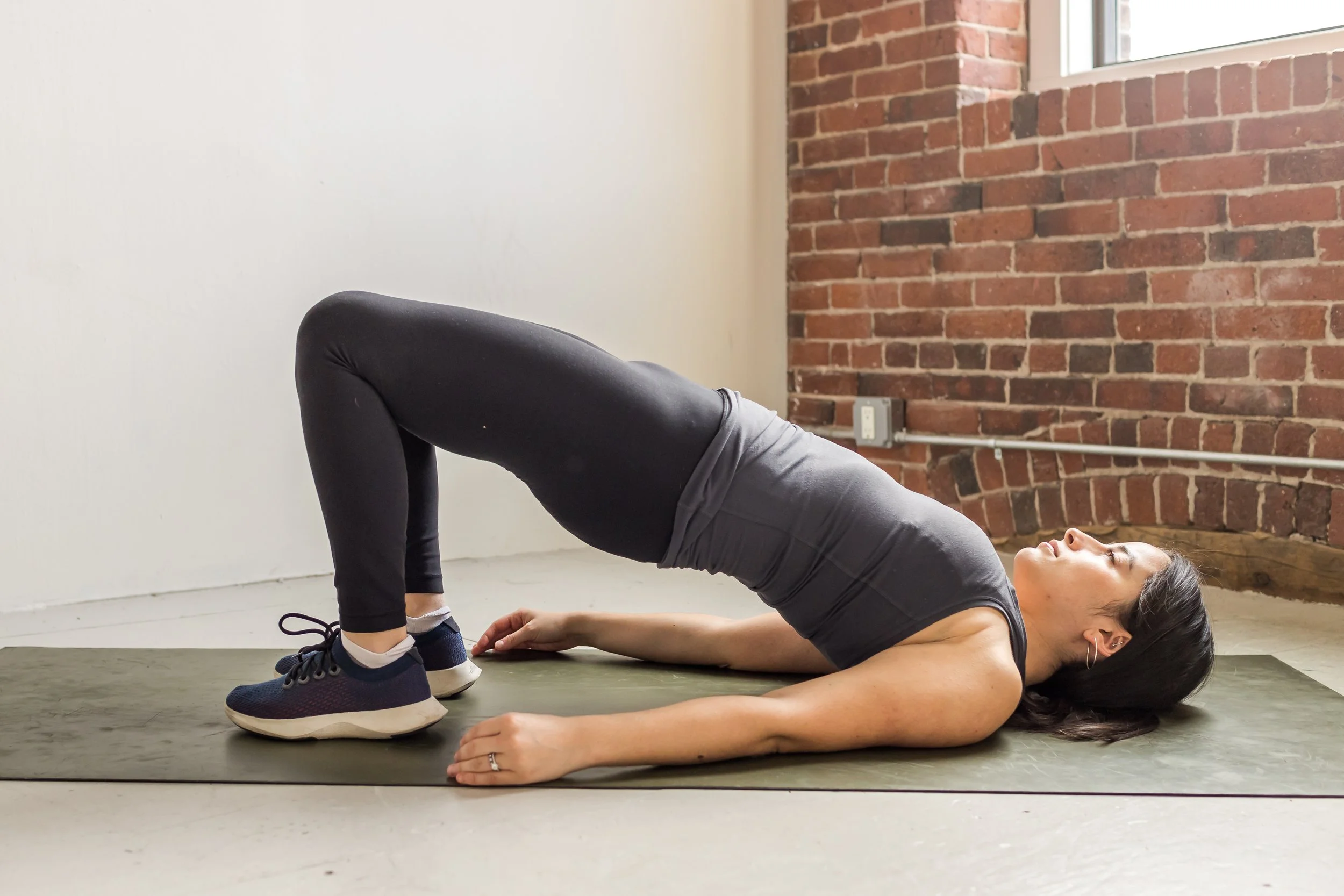
A patient doing her exercises to connect her pelvic floor, glutes, core and breathing to manage leaking.
Gentle Core and Glute Strengthening
Your core and glutes are your pelvic floor’s best friends. They share the workload and help everything function smoothly. Try exercises such as the below:
Bridges with a block between your knees
Heel taps
Clamshells
Bird dogs
Remember to exhale during the effort — whether it’s lifting your baby, folding laundry, or doing these exercises.
Take Control of Your Leaking
If you’re noticing ongoing leakage after a lingering cough or cold, it might be a sign your pelvic floor needs extra support. Our Boston pelvic floor therapists at Foundations Pelvic Health can help you get to the root cause and build the strength and coordination you need to move (and sneeze!) with confidence.